A recurring theme in Gundam is the use of child or untrained civilian soldiers. Amuro Ray in the original series is a teenager thrown into battle, representing how war forcibly involves the young and unprepared. This reflects the real-world impact of war on youth and how innocence is often lost. Many Gundam protagonists are thrust into conflict, highlighting how personal agency is stripped away during war.
Gundam doesn’t glamorize child soldiers; instead, it critiques the systems that make such scenarios In series like Iron-Blooded Orphans, the theme is even more explicit, showing how orphans are manipulated, dehumanized, and used as tools for adult agendas. These stories act as both dramatic fiction and social commentary, challenging viewers to consider the real-world implications of war, responsibility, and the value of life. Through the eyes of young pilots, Gundam reminds us of the cost of conflict and the importance of breaking the cycle.
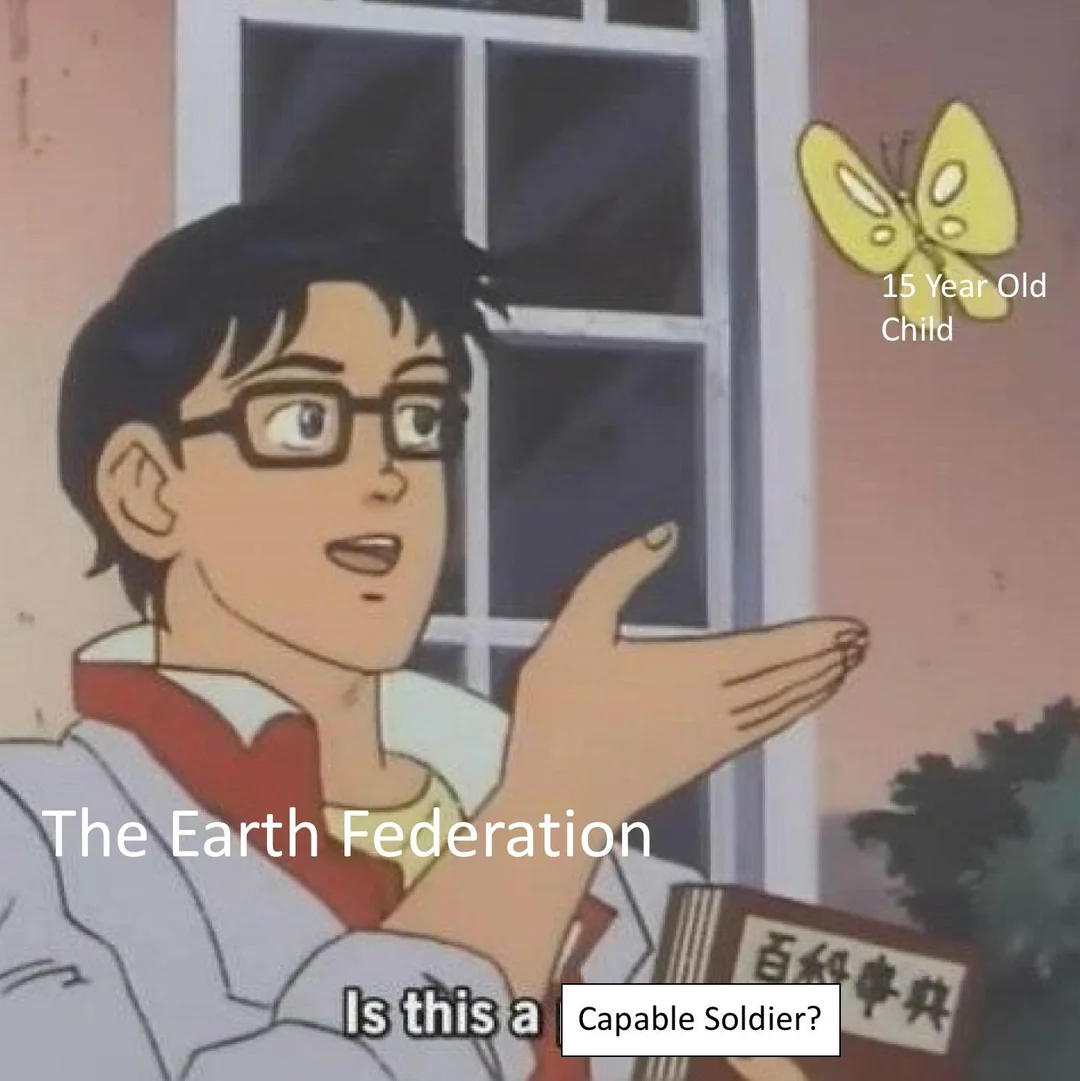
At its core, Gundam is a powerful anti-war series. It doesn't glorify battles or present war as heroic—instead, it focuses on the devastation, trauma, and loss that come with conflict. Civilian casualties, destroyed colonies, and emotionally broken characters are a constant reminder that war is a tragedy, not a spectacle. This theme remains consistent across most series in the franchise.
In Gundam, morality is rarely black and white. The series often portrays both sides of a war as having valid reasons for fighting, making it difficult to label one as purely "good" or "bad." Whether it's the Earth Federation or Zeon, Gundam challenges viewers to consider perspective and the role propaganda, nationalism, and power play in shaping beliefs. It forces the audience to question who the real enemy is, or if there is even such a thing in war.